In 2026, traveling to Korea is no longer about checking off landmarks. More foreign travelers are returning to Korea multiple times, staying longer, or exploring beyond the obvious. This shift reflects a deeper change: people don’t just want to see Korea anymore—they want to live it, even temporarily.
Instead of asking “What should I visit?”, travelers are asking, “How do Koreans spend their day?”
This mindset is what defines the new way of traveling Korea: becoming a temporary local.
From Landmarks to the Street
Korea still offers iconic destinations that define its global image.
Royal palaces like Gyeongbokgung in Seoul with Hanbok, the skyline views from N Seoul Tower, Busan’s coastal scenery, and Jeju’s volcanic landscapes remain essential stops. These places represent Korea’s history, geography, and identity in a clear and accessible way.
But something different is happening alongside them.
Places that were originally designed for locals—not tourists—are now becoming global attractions. A good example is Starfield Library at COEX in Seoul. It was built as a public reading space inside a shopping mall, but its open structure, towering bookshelves, and natural lighting turned it into one of the most photographed indoor spaces in Korea. The same applies to Starfield Suwon, where retail space functions as a lifestyle hub rather than just a shopping destination.
More importantly, travelers are now following streets, not just landmarks.
- Eulji-ro (Hipji-ro), Seoul
Once an industrial district filled with printing shops and hardware stores, it has transformed into a hybrid space where old workshops coexist with trendy cafes and bars. The appeal isn’t just aesthetic—it reflects how Korean urban culture evolves without fully replacing the past. Travelers experience a mix of generations, not a curated theme. - Hwangridan-gil, Gyeongju
Located near ancient Silla heritage sites, this street connects historical context with modern consumption. Cafes, bakeries, and concept stores reinterpret tradition in subtle ways. Visitors don’t just “see history”—they consume it through food, design, and atmosphere. - Haengridan-gil, Suwon
Near Hwaseong Fortress, this street shows how smaller cities are redefining themselves. Independent shops, local bakeries, and small galleries create a slower, more neighborhood-based experience compared to Seoul.
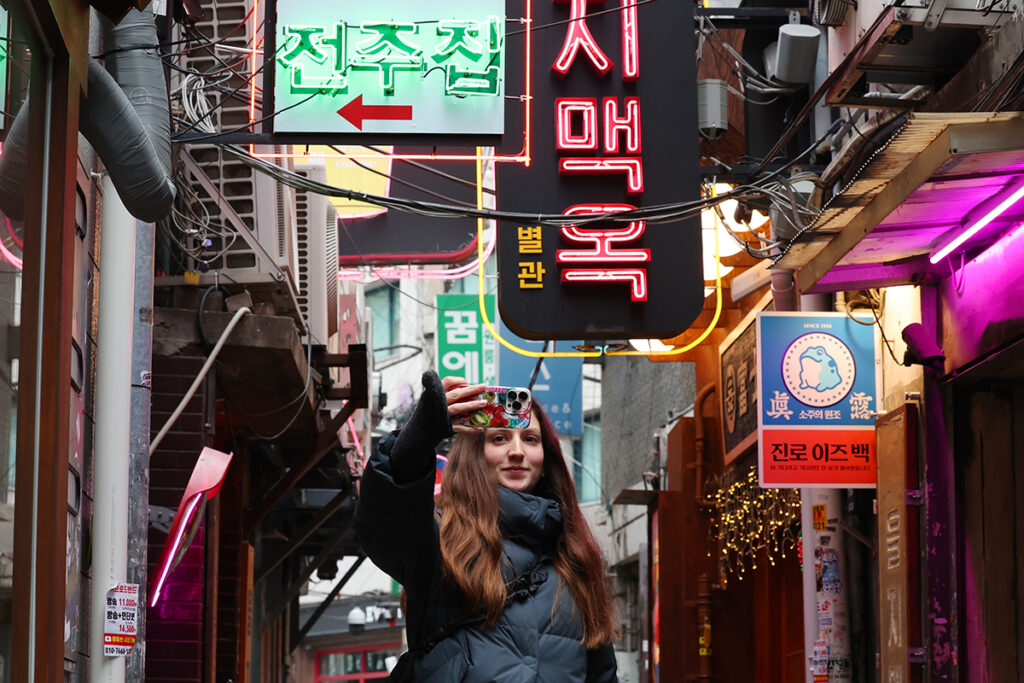
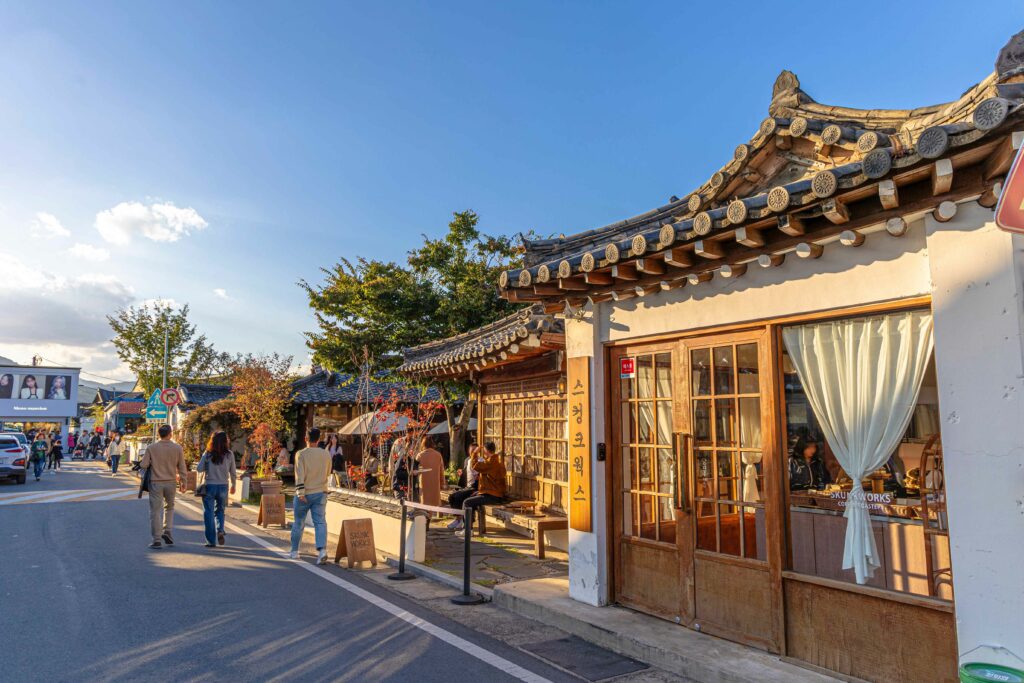
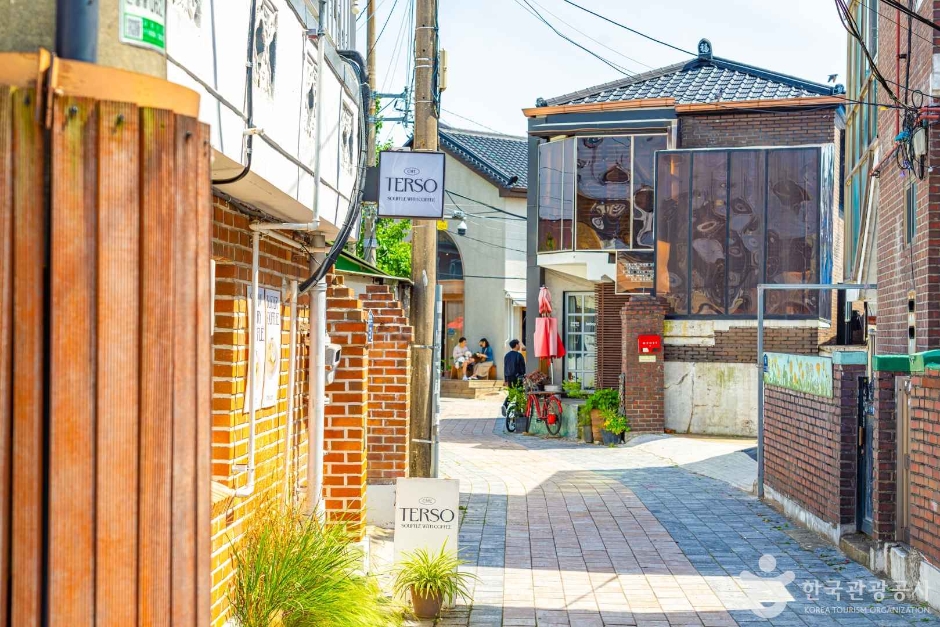
What makes these streets attractive is not that they are “hot spots,” but that they reveal how Koreans actually use space.
They are places where people meet after work, spend weekends, and experiment with new business ideas. For travelers, walking these streets becomes a way to understand everyday Korean life—something landmarks alone cannot provide.
Food Evolution at Convenient Stores
Convenience stores exist everywhere, but in Korea, they function differently.
They are not just places to buy snacks—they are testing grounds for food culture.
Korean convenience stores like CU, GS25, and 7-Eleven continuously release new products that often reflect global trends faster than traditional restaurants. Interestingly, many of these trends are influenced by foreign ideas that are localized in Korea and then re-exported through social media.
For example:
- Meal boxes (Dosirak) combining Korean rice dishes with Western-style sauces or Japanese-inspired sides
- Instant noodles collaborations with international flavors such as mala, carbonara, or even American-style spicy wings
- Desserts and bakery items influenced by global cafe culture, such as cream-filled croissants or matcha-based sweets
What makes this unique is the speed of experimentation. A trending flavor on social media can appear in a convenience store product within weeks. Travelers are not just eating “Korean food”—they are experiencing how Korea processes global culture in real time.
Another key aspect is accessibility. Convenience stores are open 24/7, located in every neighborhood, and often equipped with seating areas. This allows travelers to observe daily routines:
- Students having late-night snacks
- Office workers grabbing quick meals
- Locals casually eating alone without social pressure
For many visitors, eating at a convenience store becomes less about saving money and more about understanding how everyday life in Korea works. It is a cultural experience disguised as something ordinary.
Wellness and Beauty: Beyond K-pop
If K-pop introduced Korea to the world, wellness and beauty are shaping what comes next.
Global travelers are increasingly interested in how Koreans take care of themselves—not just through products, but through routines and services. This shift aligns with a broader travel trend: people now travel not only to see places, but to improve themselves physically and mentally.
In Korea, this takes several distinct forms
Personalized Beauty Experiences
Rather than simply buying cosmetics, visitors now participate in services such as:
- Personal color analysis; where experts identify the tones that best match your skin and suggest clothing and makeup accordingly
- Make-up studios; where professionals recreate K-beauty looks tailored to your features
- Skin clinics; offering treatments that combine dermatology and aesthetics
These experiences are popular because they are highly individualized. Travelers don’t just observe Korean beauty standards—they actively apply them to themselves.
Traditional Wellness (Hanbang & Spa Culture)
Korea’s wellness culture also includes traditional elements:
- Hanbang (Korean herbal medicine) treatments focused on balance and long-term health
- Jjimjilbang (Korean spa) experiences combining heat therapy, relaxation, and social space
Unlike Western spa culture, Korean wellness spaces are often communal and integrated into daily life. Families, friends, and individuals all use them regularly, making them less of a luxury and more of a routine.
So Living Korea, Not Visiting It
Traveling Korea in 2026 is no longer defined by how many places you visit, but by how closely you can align with local behavior.
- Walking streets instead of just visiting landmarks
- Eating convenience store meals as cultural experiments
- Participating in wellness routines rather than just observing trends
These experiences don’t require special access or luxury budgets. They require a shift in perspective.
Instead of being a tourist, you become a temporary local—someone who briefly steps into the rhythms of Korean life.
And that, more than anything, is what makes traveling Korea today feel different.