According to the Seoul Metropolitan Government, foreign visitors spent approximately ₩8.84 trillion (about US$6.6 billion). Shopping accounted for 46% of the spending, followed by medical and beauty services (23.8%), food and beverages (13.3%), and accommodation (10.4%).
Nevertheless, they reveal how shopping, beauty, food, and lifestyle experiences have become major reasons to spend in Korea.
As we explored in our previous article, Is Korea Expensive in 2026? The Real Cost of Traveling (and Staying), Korea may not always be Asia’s cheapest destination, but it can offer excellent value for travelers.
The secret isn’t necessarily spending less on everything. It’s knowing where to save—and where your money is worth spending.
Staying in Gangnam, Myeongdong, or Hongdae? Think Neighbor!
When planning accommodation in Seoul, most first-time visitors immediately search for hotels in Myeongdong, Gangnam, or Hongdae. And for good reason. These areas are famous for their shopping, restaurants, nightlife, and convenient transportation.
But staying right in the middle of a popular tourist district isn’t always the smartest decision for your budget. Seoul’s extensive subway system makes it surprisingly easy to explore the city from nearby residential or business neighborhoods. Sometimes, moving just one or two stations away can give you more accommodation options, a quieter environment, and convenient access to everyday services.
Here are three neighborhoods worth considering.
Chungmuro: Stay Near Myeongdong Without Staying in the Crowd
If Myeongdong is at the top of your itinerary, Chungmuro is one of the most practical alternatives. Representing Korea’s film industry, Chungmuro offers excellent access to central Seoul without requiring you to stay directly among Myeongdong’s busy shopping streets.
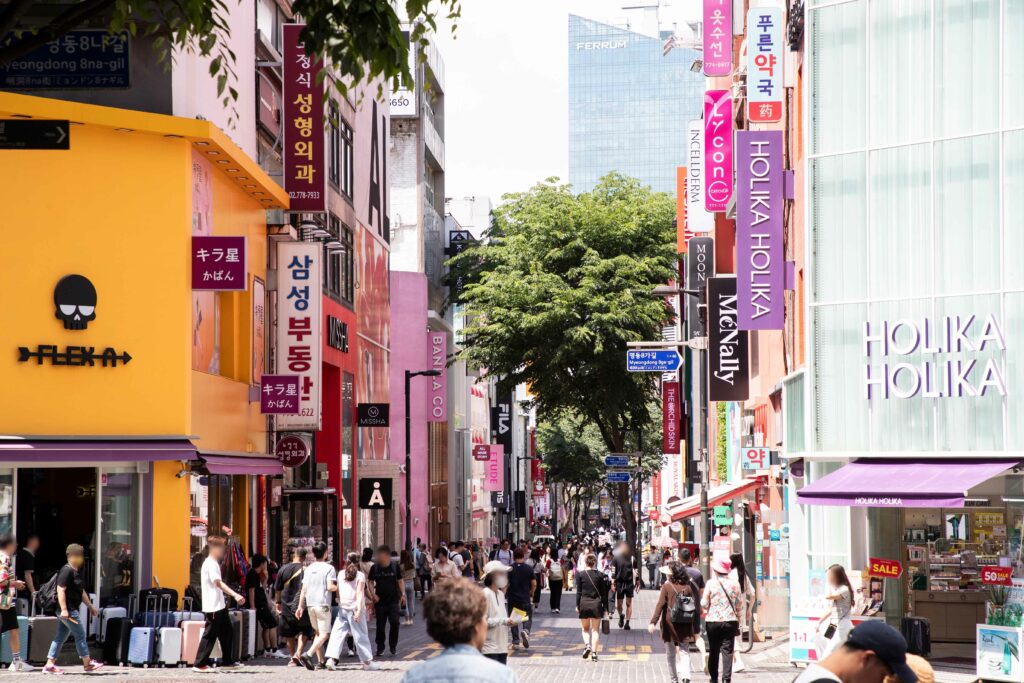
One of the biggest advantages of staying in Chungmuro is having more options to compare accommodation and dining prices with those in Myeongdong. You may find better-value hotels and local restaurants while still enjoying everything both neighborhoods have to offer.
Transportation is another advantage. Chungmuro Station connects Subway Lines 3 and 4, providing convenient access to major attractions such as Gyeongbokgung Palace, Dongdaemun, and Seoul Station.
For first-time visitors, Chungmuro offers a practical balance of convenience, value for money, and a more local atmosphere.
Mangwon: Stay Near Hongdae and Spend Like a Local
If Hongdae is on your itinerary but you prefer a quieter neighborhood with a more local atmosphere, Mangwon is an excellent alternative. Located along Subway Line 6, Mangwon offers convenient access to Hongdae’s lively shopping streets and nightlife while surrounding you with residential streets, independent cafés, and neighborhood restaurants.
One of Mangwon’s biggest attractions is Mangwon Market, a traditional market where locals shop for groceries, affordable meals, and Korean street food. Already a beloved destination among Seoul residents, the market is a great place to discover local favorites at reasonable prices while experiencing everyday Korean life.
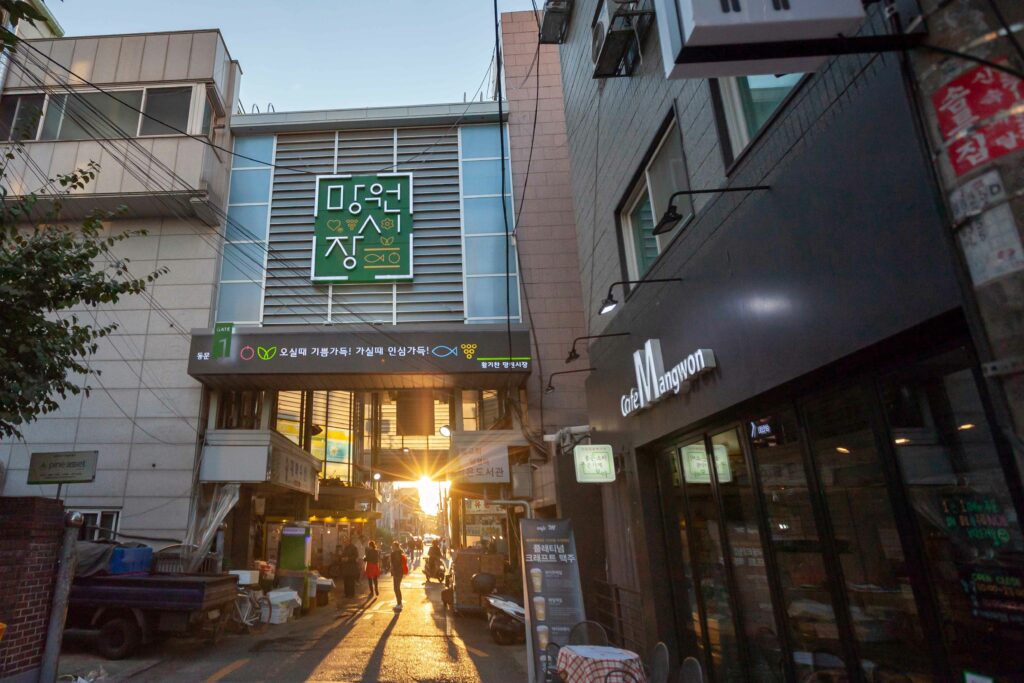
Accommodation is another reason to consider Mangwon. Its residential setting offers guesthouses and apartment-style stays worth comparing with hotels in central Hongdae, especially for travelers planning longer visits.
For those looking to experience Hongdae without spending all their time in a busy tourist district, Mangwon offers affordable local dining, practical accommodation options, and a genuine neighborhood atmosphere.
Gongdeok: A Convenient Base for Exploring All of Seoul
Gongdeok may not be a famous tourist destination, but its excellent transportation connections make it one of Seoul’s most practical neighborhoods for visitors.
Gongdeok Station connects Subway Lines 5 and 6, the Airport Railroad (AREX), and the Gyeongui–Jungang Line, providing convenient access to Hongdae, central Seoul, Yeouido, and Incheon International Airport. This makes it particularly appealing for travelers planning to explore different parts of the city rather than staying around a single tourist district.
As a business and residential neighborhood, Gongdeok also offers a variety of hotels, supermarkets, cafés, and local restaurants. It’s especially convenient for visitors staying a week or longer, when easy transportation and access to everyday facilities become increasingly important.
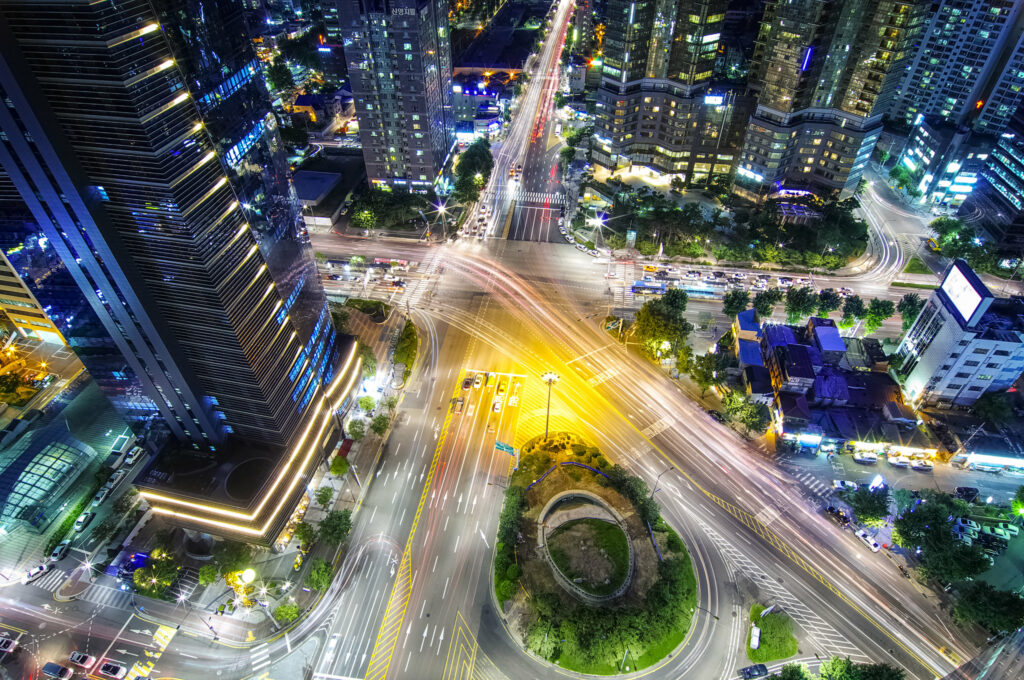
Food lovers have another reason to stay here. The neighborhood is well known among Koreans for its Jeon (Korean savory pancake) Alley and Jokbal (braised pork trotters) Alley, where visitors can discover traditional Korean dishes and popular local eateries beyond the usual tourist dining areas.
For travelers seeking a well-connected base with everyday conveniences and authentic local food, Gongdeok is a practical choice for exploring Seoul while keeping transportation and daily expenses manageable.
Hotel vs. Airbnb: The Real Cost Depends on Your Group
Should you book a hotel or rent an entire apartment? The answer depends less on which platform you use and more on how many people you’re traveling with—and how long you’re staying.
Hotels offer convenience, reception services, luggage storage, and often more straightforward check-in arrangements.
Apartment-style accommodation, on the other hand, can provide additional space and household facilities, particularly useful for families, groups, and longer stays.
Look at the Price Per Person, Not Just Per Night
According to a Seoul accommodation comparison conducted in October 2026, the median advertised nightly price was approximately US$105 for hotels and US$89 for Airbnb homes.
That’s a difference of about 15%, but it doesn’t mean every Airbnb is cheaper. Property size, cleaning fees, taxes, location, and the number of guests can all change the final cost.
Consider this example:
| Accommodation | Total per night | Cost per person |
|---|---|---|
| Hotel room for 2 guests | $110 | $55 |
| Two hotel rooms for 4 guests | $220 | $55 |
| Apartment for 4 guests | $160 | $40 |
| Apartment for 2 guests | $160 | $80 |
Illustrative scenario, not a quotation from a specific property. Prices exclude additional fees.
The Hidden Value of Having a Kitchen and Washing Machine
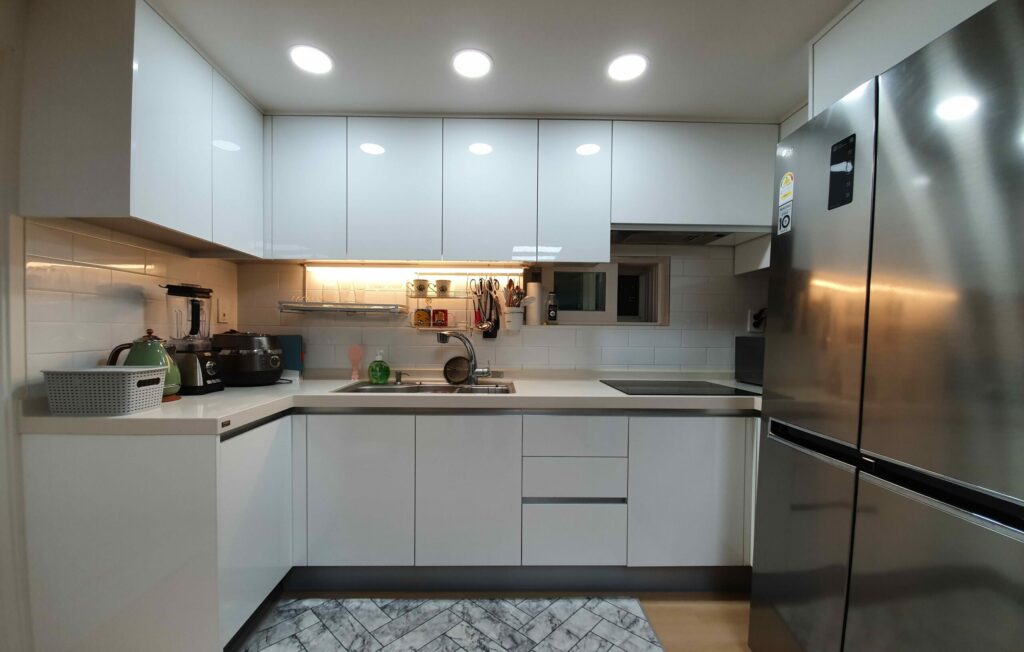
For a weekend trip, having a kitchen probably isn’t essential. But for a week or longer, household facilities can make a noticeable difference.
A kitchen allows you to prepare breakfast, store groceries, and enjoy occasional meals without dining out every time. A washing machine can also be surprisingly valuable. Instead of packing enough clothes for two weeks, you can travel lighter, wash your clothes during the trip, and potentially avoid additional baggage fees.
And for families or groups, a living room provides somewhere to relax together instead of spending additional money at cafes simply to find a comfortable shared space.
These savings aren’t guaranteed, of course. Not every BnB home has a fully equipped kitchen or laundry facilities. So check out the photos and reviews closer before book local homes.
The Best Things in Seoul Can Be Free
One of the easiest ways to manage your travel budget is to discover how much Seoul can offer you without paying for it. And actually, Seoul is free!(If you read below carefully)
These aren’t necessarily lesser-known alternatives. There are among Seoul’s most popular destinations for locals and international travelers alike.
National Museum of Korea: One of the World’s Most Visited Museums
According to The Art Newspaper’s 2025 global museum attendance survey, the National Museum of Korea welcomed approximately 6.5 million visitors in 2025, making it the third most-visited museum in the world.
Even more remarkably, admission to its permanent exhibitions is free.
The museum houses an extraordinary collection covering Korean history, archaeology, Buddhist art, ceramics, and traditional craftsmanship. Visitors can discover everything from ancient Korean kingdoms to beautifully preserved royal artifacts, while the museum’s spacious architecture and outdoor gardens provide a relaxing environment for exploring Korean culture.
MU (Museum + Goods) is another fun reason to visit. The museum’s official merchandise brand turns traditional Korean treasures into trendy everyday items. Its most famous product, a miniature Pensive Bodhisattva statue, became a sensation after BTS member RM shared his own collection. Other popular items include beautiful yet useful daily life stuff like traditional-pattern keyboards and porcelain tea sets. MU has even collaborated with BTS on exclusive merchandise, making the museum shop a must-visit for K-culture fans!
Seoul Forest: Four Seasons of Natural Beauty
Located next to Seongsu-dong, the park offers spacious lawns, tree-lined paths, gardens, and peaceful areas where locals gather for walks, picnics, and relaxation. And the scenery changes dramatically throughout the year.
In spring, cherry blossoms and colorful flowers brighten the park. Summer brings lush greenery and shaded walking paths, while autumn transforms the trees into shades of yellow, orange, and red. Even during winter, the quiet landscape offers a different side of Seoul.
The best part? General admission is free.
Don’t forget the park is in Seongsu, one of the city’s trendiest neighborhoods. That means you can enjoy a free morning in the park before exploring Seongsu’s shopping and lifestyle scene.
Hangang River Parks: Seoul’s Favorite Free Hangout
The river runs through the heart of Seoul, with extensive public parks where residents exercise, cycle, picnic, and enjoy the city skyline. It’s an authentic Seoul experience.
Two particularly popular destinations are Banpo Hangang Park and Yeouido Hangang Park.
Banpo Hangang Park: For Romantic Evening Views
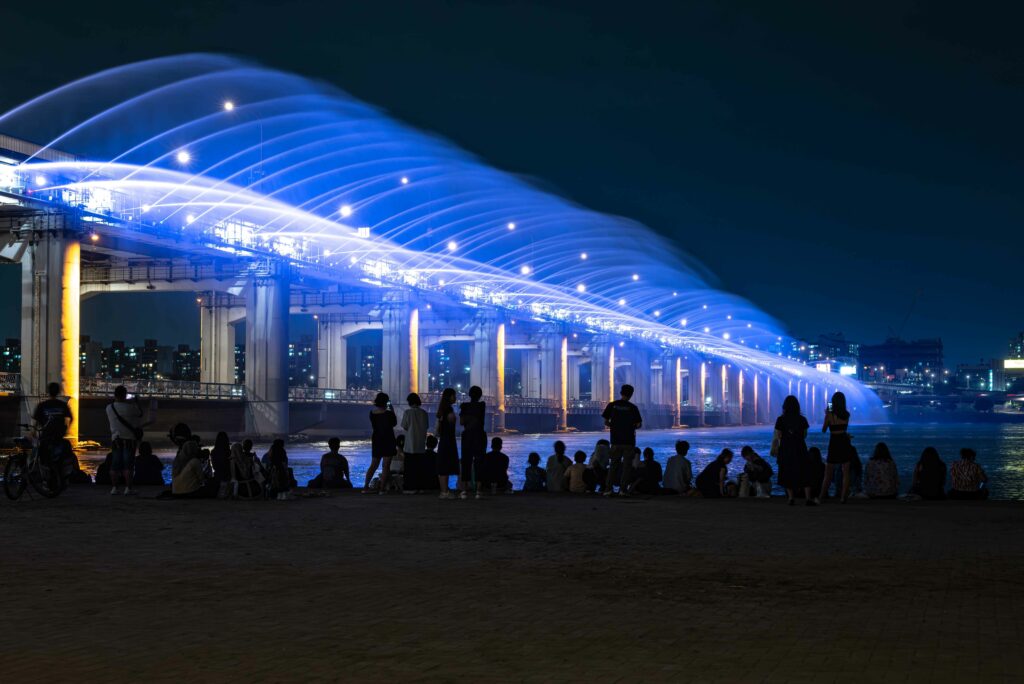
Banpo is known for its riverside scenery, views of Sebitseom Island, and the famous Banpo Bridge Moonlight Rainbow Fountain. During its operating season, the fountain illuminates the bridge with colorful water displays synchronized to music.
Watching the fountain is free, making it one of Seoul’s most memorable budget-friendly evening experiences.
Yeouido Hangang Park: For Picnics and Local Lifestyle
Located beside Yeouinaru Station, Yeouido Hangang Park is one of the easiest river parks to reach by subway. It’s particularly popular for picnics, cycling, casual gatherings, and evening walks.
During spring, the nearby Yeouiseo-ro area becomes famous for its cherry blossoms. In autumn, the park is a popular gathering place during seasonal festivals and outdoor events.
You don’t need to spend much to enjoy it. Grab some snacks from a convenience store, find a comfortable place overlooking the river, and spend a relaxing afternoon watching everyday Seoul life.
More Free Places Worth Exploring
If you have additional time in Seoul, consider adding these attractions to your itinerary.
| Attraction | What to experience | Admission |
|---|---|---|
| Namsangol Hanok Village | Traditional Korean houses and architecture | Free general admission |
| Seoul Museum of Art | Contemporary and modern art exhibitions | Free general admission; some exhibitions charge |
| Starfield Library, (COEX, Suwon) | Iconic bookshelves and indoor architecture | Free |
| Oil Tank Culture Park | Industrial architecture converted into cultural spaces | Free general admission |
| Cheonggyecheon Stream | Scenic walking paths through central Seoul | Free |
| The Hyundai Seoul | Indoor garden spaces, architecture, and window shopping | Free entry |
If you’re spending several days in Seoul, try planning one paid experience alongside two free attractions each day.
Shop Smarter, Not Just Cheaper
Shopping is a major part of traveling in Korea, whether you’re looking for K-beauty products, Korean fashion, electronics, or luxury brands.
But there’s a common misconception worth addressing. Not everything sold in Korea is cheaper than it is overseas.
The best shopping deals depend on what you’re buying, where you’re buying it, and whether you’re eligible for a tax refund. For budget-conscious shoppers, underground shopping centers and outlet districts are particularly useful.
Gasan: Where Locals Go for Outlet Shopping
While Myeongdong and Gangnam are internationally famous shopping destinations, many Korean consumers also visit outlet districts when looking for discounts.
One of the most convenient is Gasan Digital Complex, located in southwestern Seoul. The area is home to several large outlet shopping centers, including Mario Outlet and Hyundai City Outlet Gasan. These complexes feature Korean and international fashion brands, sportswear, shoes, accessories, and other lifestyle products.
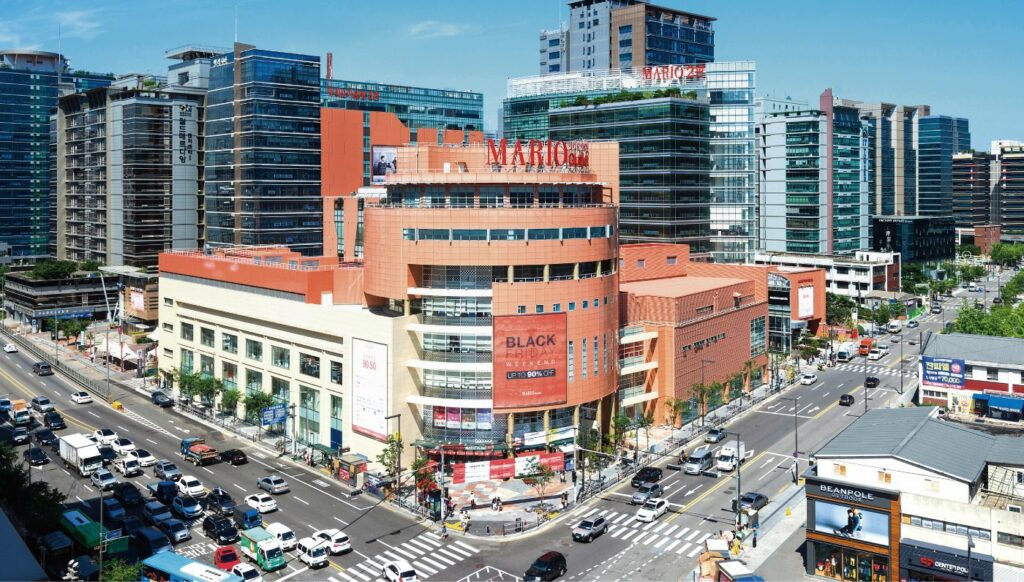
Because multiple outlet centers are located within the same district, visitors can compare prices and explore several stores in one shopping trip.
Unlike some premium outlets located outside the city, Gasan is accessible by subway, making it a convenient option for travelers without a rental car.
Premium Outlets: Consider If It’s Worth the Trip
If you’re looking for international fashion brands, sportswear, or previous-season designer collections, Korea also has several large premium outlets.
One example is Shinsegae Simon’s Paju Premium Outlets in Gyeonggi Province, northwest of Seoul. The complex offers a wide variety of domestic and international brands in an open-air shopping environment.
However, consider transportation costs before planning your visit. An outlet located outside Seoul might offer appealing discounts, but spending extra money on taxis or transportation can reduce your overall savings.
Don’t Forget Korea’s Tax Refund System
If you’re visiting Korea as a tourist, you may qualify for tax refunds on eligible purchases at participating stores. At participating stores, eligible travelers may receive an immediate tax refund when the purchase meets the relevant conditions.
However, not every store or product is eligible, and refund amounts are generally lower than the full VAT included in the retail price.
Visitors should bring their passports when shopping and check whether a store participates in the tax-refund program. Eligibility also differs between short-term tourists and foreign residents, so don’t assume every international shopper qualifies.
For full details, visit the Korea Tourism Organization’s Duty Free & Tax Refund Guide.
Experience More in Korea with Smart Budget Plan
A memorable trip to Korea doesn’t have to be expensive. You can enjoy world-class museums for free, explore beautiful parks, experience local food culture, shop for Korean brands, and discover neighborhoods beyond the most famous tourist streets.