Korea and Japan are one of the easiest two-country combinations in Asia. If you are already flying a long distance to visit Korea, adding Japan to the same trip can make your journey even richer.
The two countries are very close, and they share many similarities: safe cities, efficient public transportation, polite service, convenience stores, cafes, seasonal food, and strong local culture. However, Korea and Japan are still two completely separate travel systems. Visas, transport cards, map apps, tax-free shopping, customs rules, and even the way you move between the two countries require separate planning.
Here is what you should know before planning a Korea–Japan trip.
Quick Korea–Japan Travel Summary (Click to open)
- 🛂Korea and Japan are close enough to visit in one trip, but travelers should prepare for them as two separate countries.
- 🚌Korea is transportation-card-centered, while Japan is more regional-pass-oriented.
- 🗺️Use Naver Map or KakaoMap in Korea, and Google Maps in Japan.
- 🛍️Tax-free shopping in one country does not automatically mean customs-free entry into the next country.
- 🙌Good NEWS!🙌Neither Korea nor Japan has a tipping culture.
Visa: Depends on Your Nationality
Korea and Japan are both open and popular destinations for international travelers, but you should never assume that one country’s entry rule applies to the other. They are separate countries, so you need to check visa requirements for Korea and Japan individually.
For Korea, start with the Korea Visa Portal and the official K-ETA website. Travelers from visa-free countries may need K-ETA approval before boarding a flight or ship, although temporary exemptions may apply depending on nationality and travel period. Korea also operates an official e-Arrival Card system, which can be submitted online within three days before arrival.
For Japan, check the Ministry of Foreign Affairs of Japan visa page and Visit Japan Web. Japan has visa exemption arrangements with many countries and regions for short-term stays, but the rule depends on your passport. Visit Japan Web can also help travelers complete immigration, customs, and tax-free shopping procedures online.
The simple rule is this: check both countries before booking. A visa-free stay in Korea does not automatically mean a visa-free stay in Japan, and vice versa.
Transport: Nationwide in Korea, Regional Passes in Japan
Korea is famous for its convenient public transportation. For most visitors, one rechargeable transportation card can make travel simple. Tmoney is especially well known and widely used for subways, buses, and affiliated stores in Korea.
The key point is that Korea feels very “card-centered.” In Seoul, Busan, Incheon, Daegu, Daejeon, Gwangju, and many other cities, travelers can use one transport card and transfer between subway and bus systems easily (still you have to purchase inter-city moving, such as KTX trains, express buses, and domestic flights saparately). Korea’s transfer system also helps keep public transportation economical, especially for travelers who move around the city all day.
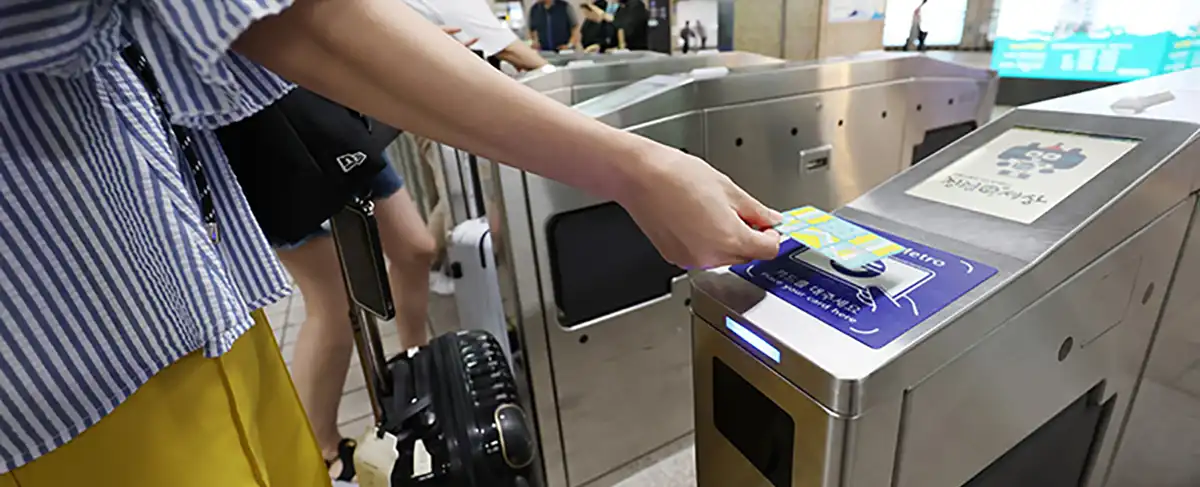
Japan also has excellent transportation, but the structure is different. Japan has IC cards such as Suica, ICOCA, TOICA, SUGOCA, and others. Many of them work across major cities, and special visitor cards such as Welcome Suica and TOURIST PASMO are available for international travelers.
However, Japan is more regional and pass-oriented. Instead of relying only on one card, travelers often save money by choosing a transportation pass based on their route. Examples include JR Pass, JR East Pass (Tokyo, Tohoku, Nagano, Niigata), Kansai Area Pass (Osaka, Kyoto, Kobe, Nara), Tokyo Subway Ticket (Tokyo), Osaka Amazing Pass (Osaka), and Kyushu Rail Pass (Fukuoka, Nagasaki, Kumamoto, Kagoshima). The Japan Rail Pass is useful for certain long-distance JR routes, but it is not a universal pass for every train, subway, or bus in Japan.
There is no shared transportation card or pass between Korea and Japan. Once you cross the border, you start a new transportation system.
Getting Around: Korea Is Google’s Galapagos
In Japan, Google Maps works very well for most visitors. You can use it for walking routes, public transportation, restaurant searches, opening hours, and general navigation.
Korea is different. For a long time, Korea has felt like “Google’s Galapagos” because Google Maps has had limited navigation functions compared with local services. In 2026, South Korea approved Google’s request to export high-precision map data under security conditions, so Google Maps may improve over time. Still, for practical travel in Korea, visitors should install Naver Map or KakaoMap. These apps are usually better for local bus routes, subway exits, walking directions, restaurant details, and real-time navigation.
A good Korea–Japan app setup is simple: use Naver Map or KakaoMap in Korea, and Google Maps in Japan.
Spending Money: Tax and Tip
Korea uses the Korean won, while Japan uses the Japanese yen. A fun travel shortcut is that Japanese yen often feels close to Korean won if you add one zero. For example, ¥1,000 can feel roughly like ₩10,000. This is not an exact exchange rate, but it helps travelers make quick mental calculations while shopping.
Quick Currency Check
Japanese yen to Korean won
Approximate Korean won
Fetching the latest exchange rate…
For tax and shopping, Korea and Japan have different customs rules. Korea’s traveler duty-free allowance for general goods is commonly explained as US$800, while Japan’s general allowance is ¥200,000. Japan also has an important rule: if one item or one set is worth more than ¥200,000, that item does not receive the duty-free allowance.
This matters when you shop in both countries. If you buy tax-free items in Korea and then enter Japan, Japan may count those items as overseas purchases. If you buy tax-free goods in Japan and then enter Korea, Korea may count them toward Korea’s customs allowance. Tax-free shopping in one country is not the same as customs exemption in the next country.
Japan is also changing its tax-free shopping system. For purchases made on or after November 1, 2026, Japan will shift to a refund method, meaning travelers pay tax-inclusive prices first and receive the consumption tax refund after customs inspection confirms the goods are being taken out of Japan.
Luxury Shoppers: Korea–Japan or Japan–Korea?

If you plan to buy luxury goods such as designer bags, watches, jewelry, or electronics, the safest strategy is to buy them in the final country before returning home. If Japan is your final stop, save major Japan shopping for the end. If Korea is your final stop, save major Korea shopping for the end.
For example, if you buy a luxury bag in Korea and then enter Japan, Japan may treat that bag as an overseas purchase. If the item is expensive enough, it may exceed Japan’s customs allowance. The same logic applies in the opposite direction when entering Korea after shopping in Japan.
Snack and Souvenir Shoppers: Buy Food Near the End
If your main shopping list includes snacks, cosmetics, tea, instant noodles, beauty products, character goods, or convenience store souvenirs, it is easier to shop near the end of the trip. Food, meat products, fresh fruit, seeds, plants, and agricultural products can be sensitive at customs and quarantine.
A practical route is to enjoy browsing in both countries, but save bulk food souvenir shopping for the last destination before your flight home.
Long-Term Travelers: Japan First, Korea Last
For longer trips, a Japan-to-Korea route can be comfortable if you want to finish with easier city mobility, luggage storage, airport access, and last-minute shopping. Korea’s urban transport system is compact and convenient, and station-based lockers and luggage storage services are easy to find in major travel areas.
This is especially useful for travelers who plan to buy multiple items at the end of the trip and do not want to carry them across another international border.
- Simple Example: Seoul Shopping, Then Tokyo
Imagine you buy Korean cosmetics, clothes, and K-pop goods in Seoul, then fly to Tokyo. Even if some items were tax-free in Korea, Japan may still treat them as overseas purchases when you enter Japan. Keep your receipts, know your approximate total value, and avoid carrying restricted food items. - Simple Example: Osaka Shopping, Then Seoul
If you buy electronics or luxury items in Osaka and then fly to Seoul, those purchases may count toward Korea’s customs allowance. Japan’s tax-free status does not automatically make them duty-free in Korea.
One more good news: neither Korea nor Japan has a tipping culture. You do not need to tip at restaurants, cafés, taxis, or hotels. In Japan, tipping is generally not common, and travelers are not expected to add extra money for normal service.
Korea–Japan: Over the Sea
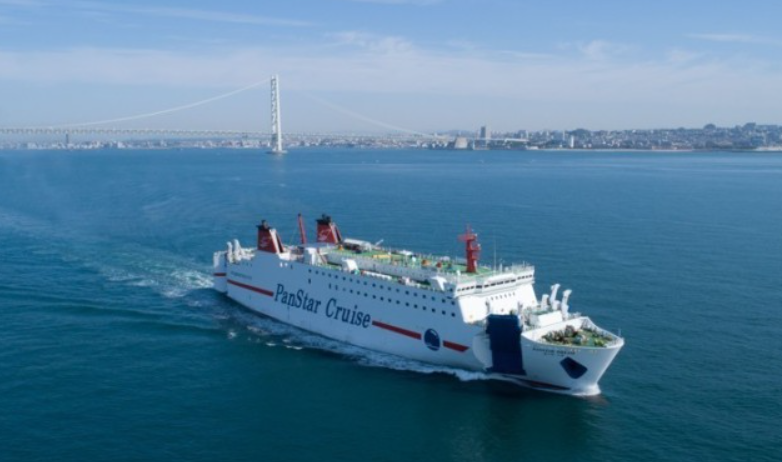
Korea and Japan are very close, but Japan is an island country, and the sea lies between the two countries. Most travelers move by flight, and this is usually the fastest and easiest option. Popular routes include Seoul–Tokyo, Seoul–Osaka, Busan–Fukuoka, and Busan–Osaka.
But if you want a more memorable journey, consider traveling by ferry. The Busan–Fukuoka route is one of the most iconic sea routes between Korea and Japan, connecting Busan Port with Hakata Port in Fukuoka. It can be a fun alternative to flying, especially for travelers who want a slower, more scenic border-crossing experience.
There is also a Busan–Osaka cruise ferry operated by PanStar. PanStar describes the Busan–Osaka route as a cruise-style sea journey, and the trip can feel less like transportation and more like part of the travel experience.
If your schedule is tight, fly. If your trip is about the journey itself, taking the sea route at least once can make your Korea–Japan itinerary more memorable.
Final Tip
Korea and Japan are close enough to combine, but different enough to prepare separately. Think of Korea as card-friendly, app-specific, and one-stop-transportation. Think of Japan as regional, pass-oriented, and highly organized by local systems.
Once you understand that difference, a Korea–Japan trip becomes much smoother—and much more rewarding.