1. Why Does Everything Feel So Expensive in 2026?
It’s not only in Korea, but almost everywhere in the world. Everyday life seems to be getting more expensive. People are paying more for things they once considered affordable. And here at the end of 2026, economic uncertainty is even getting bigger.
Higher tariffs and growing restrictions between major economies have added pressure to global supply chains. Meanwhile, ongoing international conflicts have disrupted energy markets and transportation networks.
These global issues don’t just affect governments and large corporations. Higher energy and transportation costs can eventually reach ordinary consumers through food prices, delivery fees, travel expenses, and other everyday necessities.
According to the International Monetary Fund’s October 2026 World Economic Outlook, global inflation is projected to reach 4.7% in 2026, before moderating to 4.1% in 2027.
But there’s an important catch: lower inflation doesn’t necessarily mean lower prices. It usually means prices are rising more slowly, not returning to what they used to be.
Korea’s economy in 2026
As an economy heavily dependent on international trade and imported energy, Korea is particularly sensitive to fluctuations in oil prices, shipping costs, and foreign exchange rates.
In September 2026, Korea’s consumer prices rose nearly 3% compared with the previous year. For Koreans, the most cost-pressing things in daily life are dining out, buying groceries, and maintaining a household.
While locals are concerned about the rising cost of living, millions of international travelers continue to visit Korea for its food, shopping, culture, and entertainment.
2. What Do Foreign Visitors Think About Prices in Korea?
Despite concerns over rising prices, international visitors generally report positive experiences with the cost of traveling in Korea.
According to the 2025 International Visitor Survey, 90.7% of surveyed international visitors were satisfied with their travel costs. That’s an increase from 86.6% in 2024.
Even more impressively, 97.5% expressed overall satisfaction with their Korean travel experience, while public safety, internet connectivity, and public transportation received particularly high ratings.
It suggests that many visitors feel they receive reasonable value for what they spend.
Korea’s Biggest Travel Interestings: Eating and Shopping
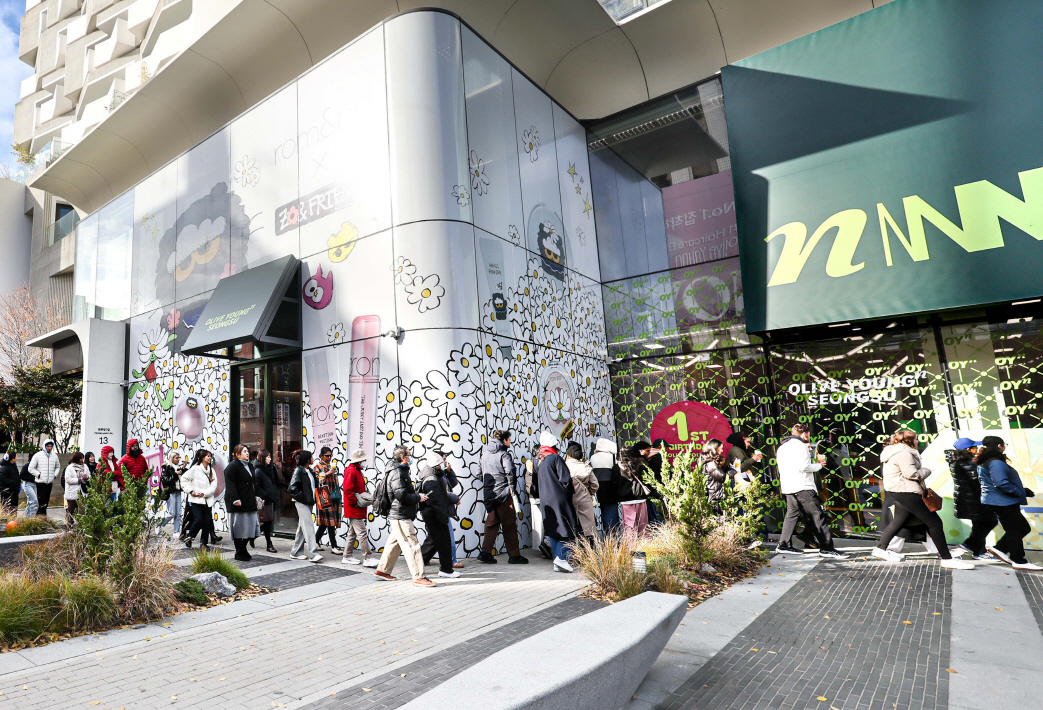
According to the survey, the most frequently reported activities were:
| Travel activity | Share of visitors |
|---|---|
| Food and dining experiences | 81.6% |
| Shopping | 80.3% – 71.3% purchased perfumes or cosmetics. – 56.2% purchased food products. – 49.7% purchased clothing. |
| Nature and scenic attractions | 53.3% |
| Palaces and historical sites | 35.3% |
| Museums and exhibitions | 21.4% |
It seems that experiencing Korea increasingly means more than visiting famous landmarks. Trying new restaurants, exploring trendy neighborhoods, discovering K-beauty products, and shopping for Korean fashion have become important parts of the travel experience.
Consider Seoul’s Seongsu-dong, Myeongdong, and Hongdae. These neighborhoods attract visitors not only with traditional tourist attractions, but also with cafes, pop-up stores, beauty shops, restaurants, and fashion boutiques.
3. The Real Cost of Traveling in Korea — and How It Compares With Other Asian Destinations
Eating Out: Still Affordable Options
Food is a major reason people visit Korea, and fortunately, visitors can find meals at a wide range of prices.
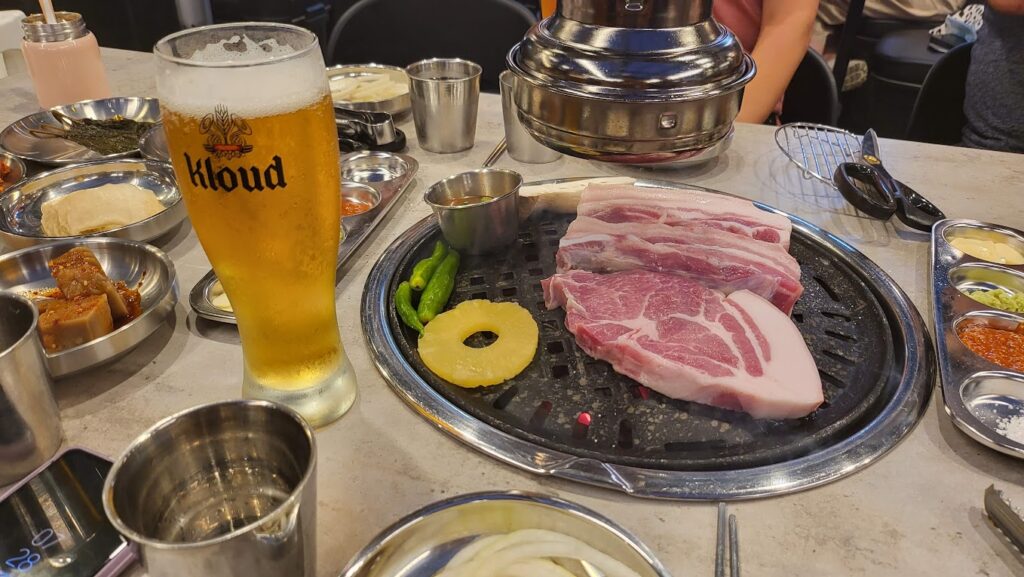
You might enjoy a simple bowl of gukbap (Korean rice soup) at a neighborhood restaurant, grab a quick meal from a convenience store, or spend considerably more on Korean barbecue and specialty dining.
According to Cost-Of-Living data, a typical meal at an inexpensive restaurant in Seoul costs approximately ₩13,000 ($9.80 USD).
But how does that compare with other major Asian cities?
| City | Inexpensive restaurant meal | Cappuccino |
|---|---|---|
| Seoul | ₩13,000 ($9.80 USD) | ₩5,433 ($4.10 USD) |
| Tokyo | ₩11,350 ($8.56 USD) | ₩5,213 ($3.93 USD) |
| Taipei | ₩7,683 ($5.79 USD) | ₩5,387 ($4.06 USD) |
| Singapore | ₩17,717 ($13.36 USD) | ₩7,513 ($5.67 USD) |
Even though Seoul isn’t the cheapest city on this list, Seoul remains noticeably less expensive than Singapore for casual restaurant dining. Moreover, snacks and drinks are quite reasonable compared to other cities.
And there’s something worth considering beyond the price tag about eating in Korea. Many Korean restaurants serve complimentary side dishes, known as banchan, alongside the main meal. Some also provide water without an additional charge, and tipping is generally not expected.
So while Korea may not always offer the lowest menu prices, the overall dining experience can still feel worthwhile.
Getting Around: One of Korea’s Biggest Advantages
When it comes to transportation, Korea has a significant advantage for budget-conscious travelers.
Seoul has an extensive subway and bus network, making it possible to explore most major attractions without renting a car or regularly taking taxis.
As ofb2026, the standard adult subway base fare in Seoul is ₩1,550 ($1.17 USD) when using a transportation card. That means a traveler taking four basic-fare subway journeys would spend approximately ₩6,200 ($4.68 USD).
For visitors planning to use public transportation frequently, Seoul also offers short-term Climate Card passes with unlimited rides on eligible services.
| Climate Card validity | Price |
|---|---|
| 1 day | ₩5,000 ($3.77 USD) |
| 2 days | ₩8,000 ($6.03 USD) |
| 3 days | ₩10,000 ($7.54 USD) |
| 5 days | ₩15,000 ($11.31 USD) |
| 7 days | ₩20,000 ($15.08 USD) |
This makes the Seoul Metropolitan Area especially convenient for independent travelers who enjoy exploring different neighborhoods without worrying too much about transportation costs.
Attractions: You Don’t Always Have to Spend Much
One of Korea’s underrated advantages is the number of cultural attractions and public spaces that visitors can enjoy for free or at relatively low cost.
Take Gyeongbokgung Palace, one of Seoul’s most iconic historical landmarks. Standard adult admission costs just ₩3,000 ($2.26 USD), while wearing traditional Korean hanbok can qualify for free entry.
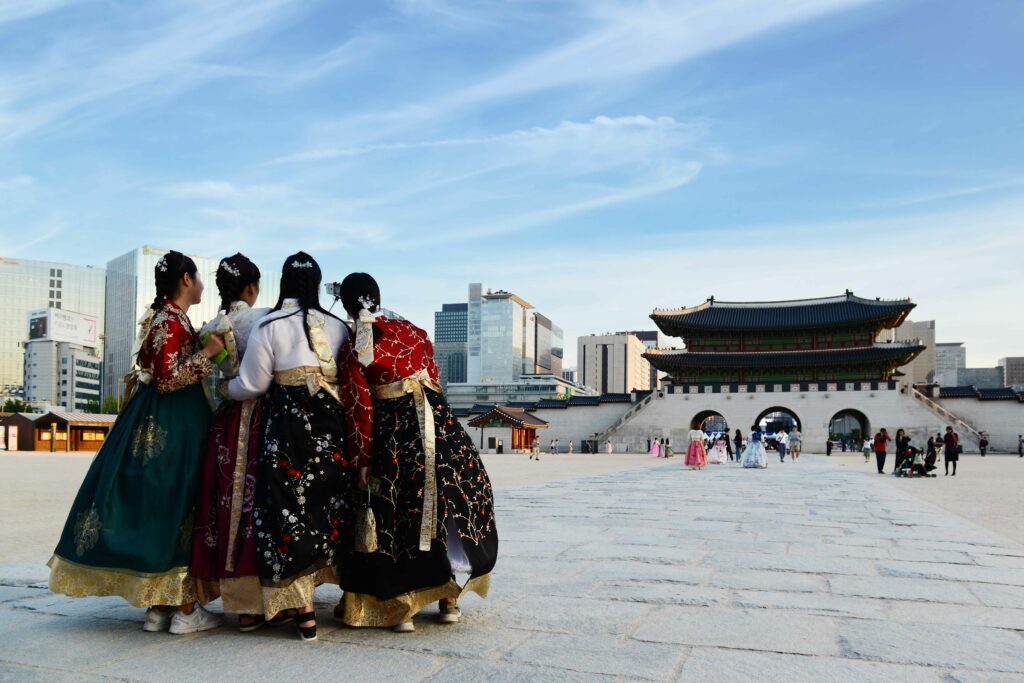
Other popular activities—walking along the Cheonggyecheon Stream, exploring traditional markets, enjoying the Han River parks, or discovering neighborhood streets—can be enjoyed without paying admission fees.
Of course, premium experiences such as K-pop concerts, theme parks, and beauty treatments can quickly increase a travel budget.
But if you’re happy mixing famous landmarks with everyday local experiences, Korea offers plenty of ways to have a memorable trip without spending heavily on attractions.
Staying Connected: Internet Is Easy, but Not Always Free
Korea is well known for its digital infrastructure, and staying connected is relatively convenient. Many accommodations, cafes, and public facilities offer Wi-Fi, while travelers can purchase prepaid SIM at the airports and various stores.
The convenience of mobile connectivity is also reflected in the international visitor survey: 94.7% of respondents were satisfied with mobile and internet access.
Traveling vs. Living: A Different Experience of Korean Prices
For a tourist, living costs are temporary. You might eat at restaurants every day, travel around the city, and pay for a hotel, but you don’t need to worry about household bills or long-term housing arrangements.
For residents, the picture changes considerably. Groceries, housing deposits, utilities, insurance, and recurring household expenses become important parts of the budget.
For example, June 2026 Seoul figures estimated the following everyday costs:
| Expense | Approximate Seoul price |
|---|---|
| Casual restaurant meal | ₩13,000 ($9.80 USD) |
| Regular cappuccino | ₩5,433 ($4.10 USD) |
| Milk, 1 liter | ₩2,959 ($2.23 USD) |
| Eggs, 12 | ₩4,194 ($3.16 USD) |
| Apples, 1 kg | ₩10,423 ($7.86 USD) |
| Cinema ticket | ₩15,000 ($11.31 USD) |
| Monthly mobile plan, 10GB+ | ₩46,522 ($35.09 USD) |
Some groceries and fresh produce can be surprisingly expensive in Korea, especially compared with the low-cost restaurant meals that tourists may encounter.
A visitor who enjoys eating out might find Korea convenient and reasonably priced, while someone cooking every meal during a longer stay may have a different impression.
How Much Should You Budget?
For travelers planning a visit, the following estimates provide a realistic starting point.
| Travel style | Estimated daily budget |
|---|---|
| Budget traveler | ₩65,000–₩100,000 ($49.02–$75.42 USD) |
| Comfortable traveler | ₩130,000–₩210,000 ($98.05–$158.39 USD) |
| Experience-focused traveler | ₩230,000–₩380,000 ($173.47–$286.61 USD) |
For example, a traveler spending one week in Korea with a comfortable mid-range budget might prepare approximately ₩910,000–₩1,470,000 ($686.35–$1,108.71 USD), excluding flights and major shopping expenses.
A longer stay may offer opportunities to reduce daily accommodation costs, but finding suitable short-term housing becomes especially important.
4. Is Korea Worth Your Money in 2027?
For travelers, the outlook is mixed.
The major concern is external factors. International flight prices may continue to fluctuate with fuel costs and airline capacity. Also the exchange rates may affect how expensive Korea feels to visitors from different countries.
But Korea still has several advantages that make it an attractive destination. Reliable public transportation reduces the need for expensive taxis or rental cars. Historical landmarks and public spaces offer affordable sightseeing opportunities. Food, beauty, fashion, and entertainment provide a wide variety of experiences for different budgets.
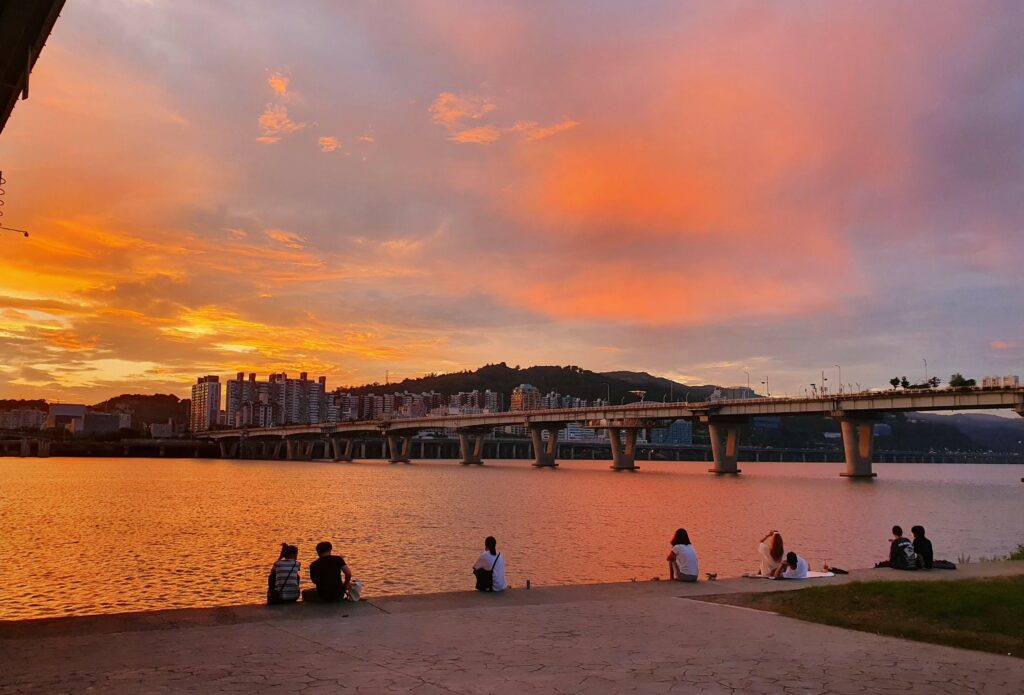
And perhaps most importantly, spending more isn’t always experiencing more. A day in Seoul might involve exploring a traditional palace, enjoying an inexpensive local lunch, walking through a trendy neighborhood, and watching the sunset by the Han River.
It’s whether the experiences you want in Korea are worth what you’re willing to spend. And for many international visitors, the answer appears to be yes.